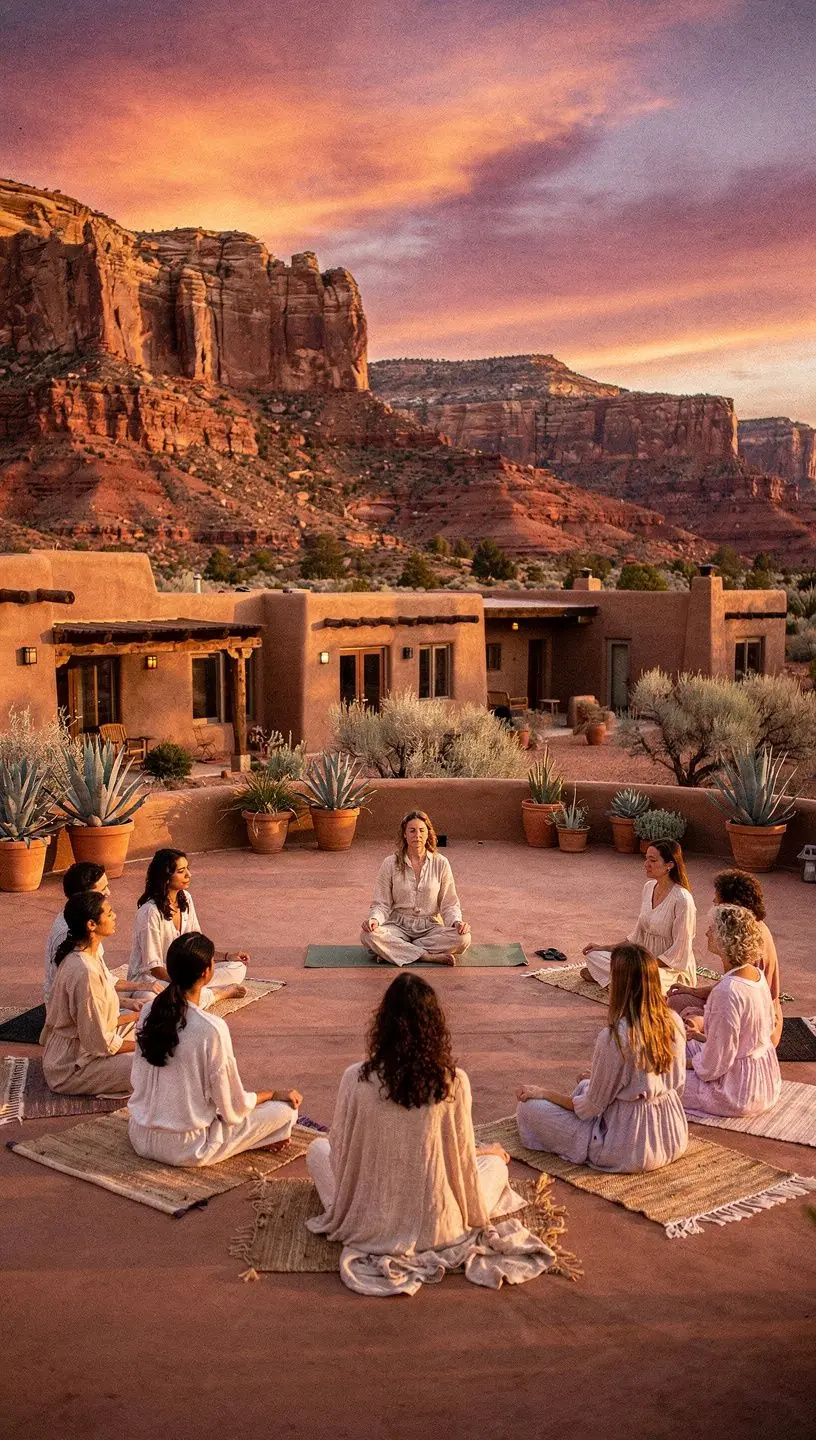
The Role of Nature in Healing Retreats
In today’s fast-paced world, the importance of taking a step back and reconnecting with nature cannot be overstated. Healing retreats that emphasize slow tourism and minimal travel stress provide participants with an opportunity to rejuvenate both mind and body.
Understanding the Healing Power of Nature
Research indicates that spending time in natural environments can significantly enhance emotional well-being. According to a study published in the Journal of Environmental Psychology, individuals who engage with nature often report lower levels of stress and anxiety. This is largely due to the calming effects that natural landscapes have on the mind and body.

"Nature has an extraordinary ability to restore our attention and reduce mental fatigue, which is why many healing retreats incorporate natural settings into their programs."
Why Nature-Based Retreats Are Effective
The effectiveness of nature-based retreats can be attributed to several key factors:
- Immersive Experiences: Many users report that being surrounded by natural beauty allows for a deeper connection to oneself. This connection can promote introspection and personal growth.
- Physical Activity: Engaging in outdoor activities like hiking or yoga in natural settings can improve physical health. Studies show that these activities increase serotonin levels, which can enhance mood and overall mental health.
- Mindfulness Opportunities: Nature provides a perfect backdrop for mindfulness practices. Experts suggest that mindfulness in nature can lead to improved focus and emotional regulation, making it an ideal component of any retreat.
Implementing Nature in Your Healing Retreat
When planning a retreat, it’s crucial to think about how nature can be integrated into the experience:
- Select the Right Location: Choose a serene environment that minimizes distractions. Locations near forests, lakes, or mountains are often preferred for their calming effects.
- Incorporate Outdoor Activities: Schedule activities that encourage interaction with the environment, such as guided nature walks or outdoor meditation sessions.
- Design Relaxing Spaces: Create tranquil areas where participants can unwind and immerse themselves in the natural surroundings, like quiet gardens or scenic viewpoints.
Conclusion
Nature plays a pivotal role in the effectiveness of healing retreats. By prioritizing natural environments and experiences, retreat planners can create settings that not only foster relaxation but also promote emotional and psychological healing. However, it is essential to remember that the benefits of nature-based retreats often take time to manifest, with many participants noting improvements after several visits. Therefore, patience and consistency are key to fully experiencing the healing potential of nature.