Coordinating Group Retreats for Relaxation
Planning a group retreat focused on relaxation can be a rewarding experience, but it requires careful coordination to ensure minimal travel stress and maximum tranquility. This article explores effective strategies for organizing such retreats while providing insights into the benefits of slow tourism.
Understanding the Basics of Slow Tourism
Slow tourism emphasizes meaningful travel experiences that promote relaxation and connection with nature. According to research, this approach can lead to reduced stress levels and enhanced well-being. Experts recommend that retreat planners prioritize destinations that offer serene environments, allowing participants to disconnect from the hustle and bustle of everyday life.
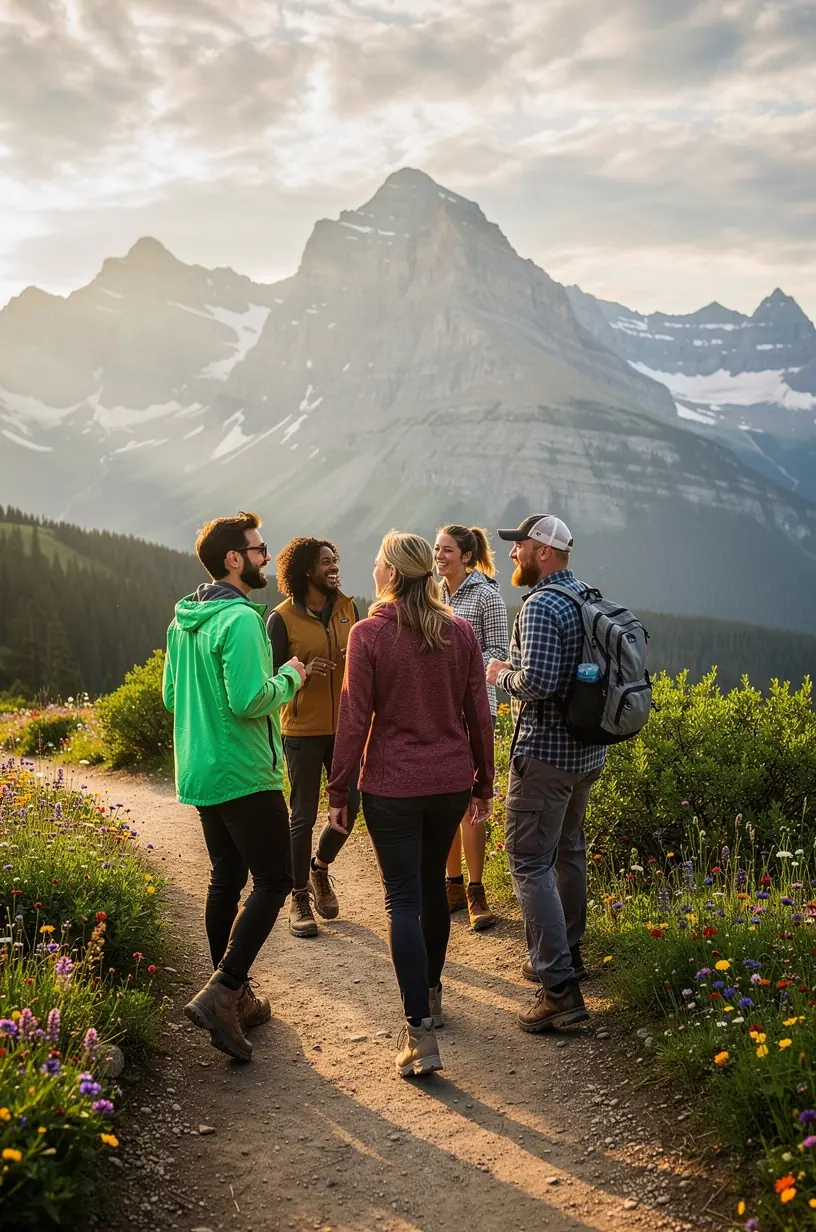
"The principle behind slow tourism is to immerse oneself fully in the experience, promoting mindfulness and relaxation."
Key Elements of a Successful Group Retreat
When coordinating a group retreat, it’s essential to consider several factors to ensure a smooth experience. Here are some practical steps:
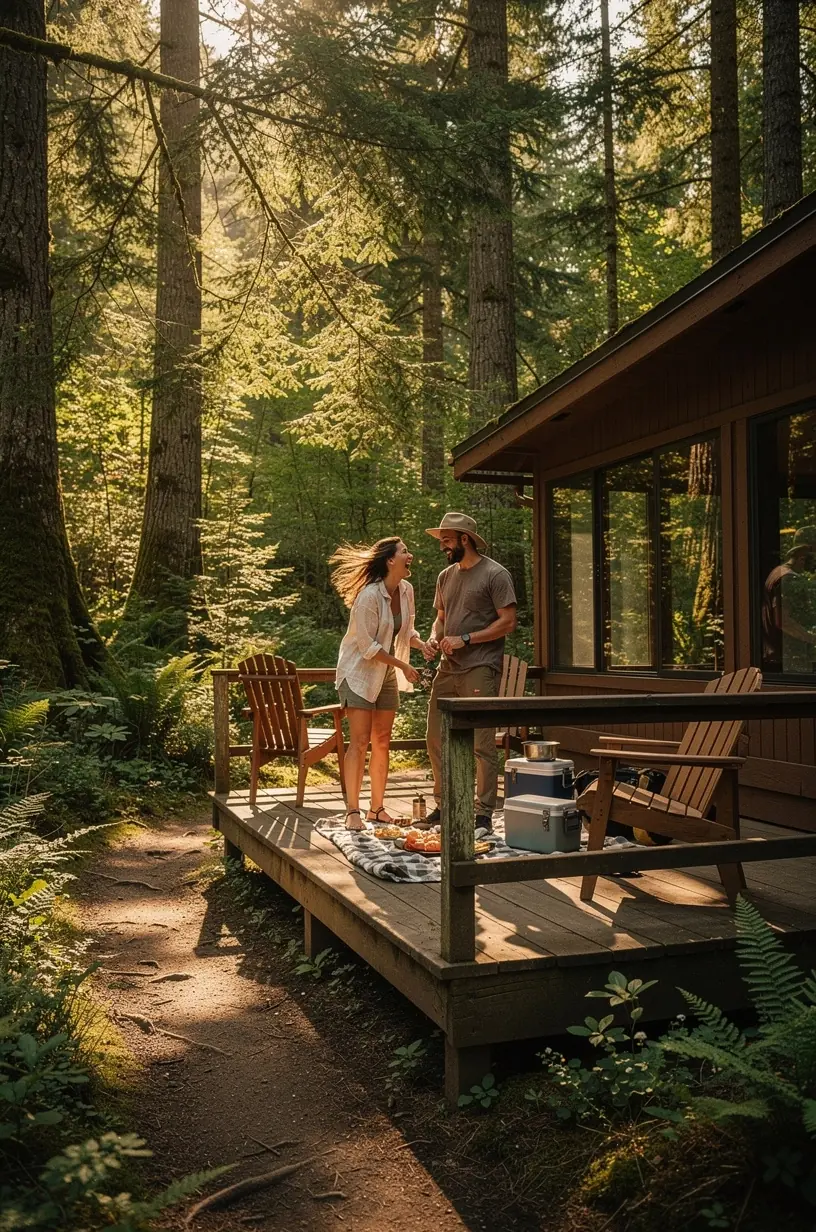
- Choose the Right Location: Look for tranquil settings that offer natural scenery and peaceful accommodations. Research indicates that nature-rich environments are linked to improved mental health outcomes.
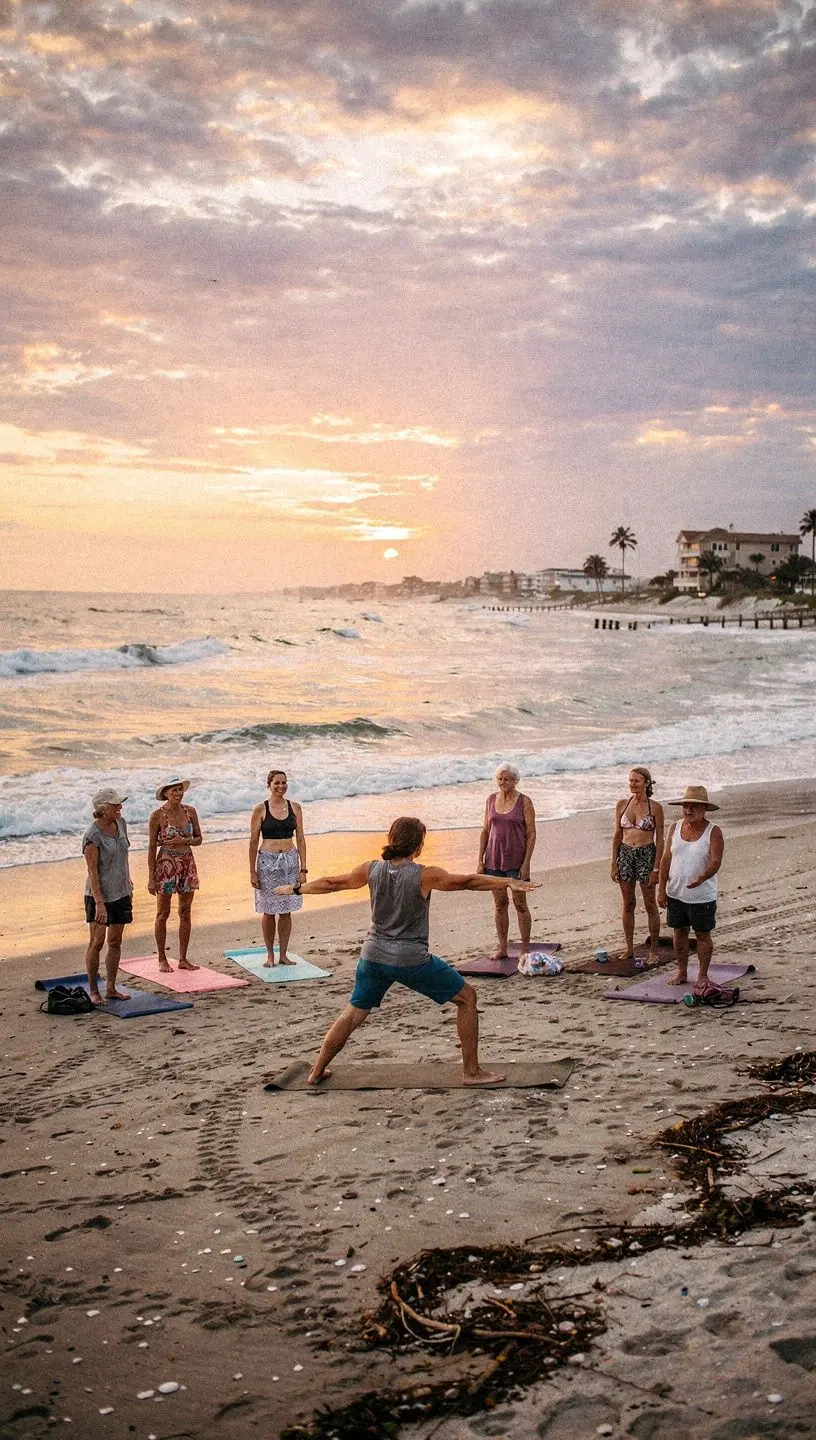
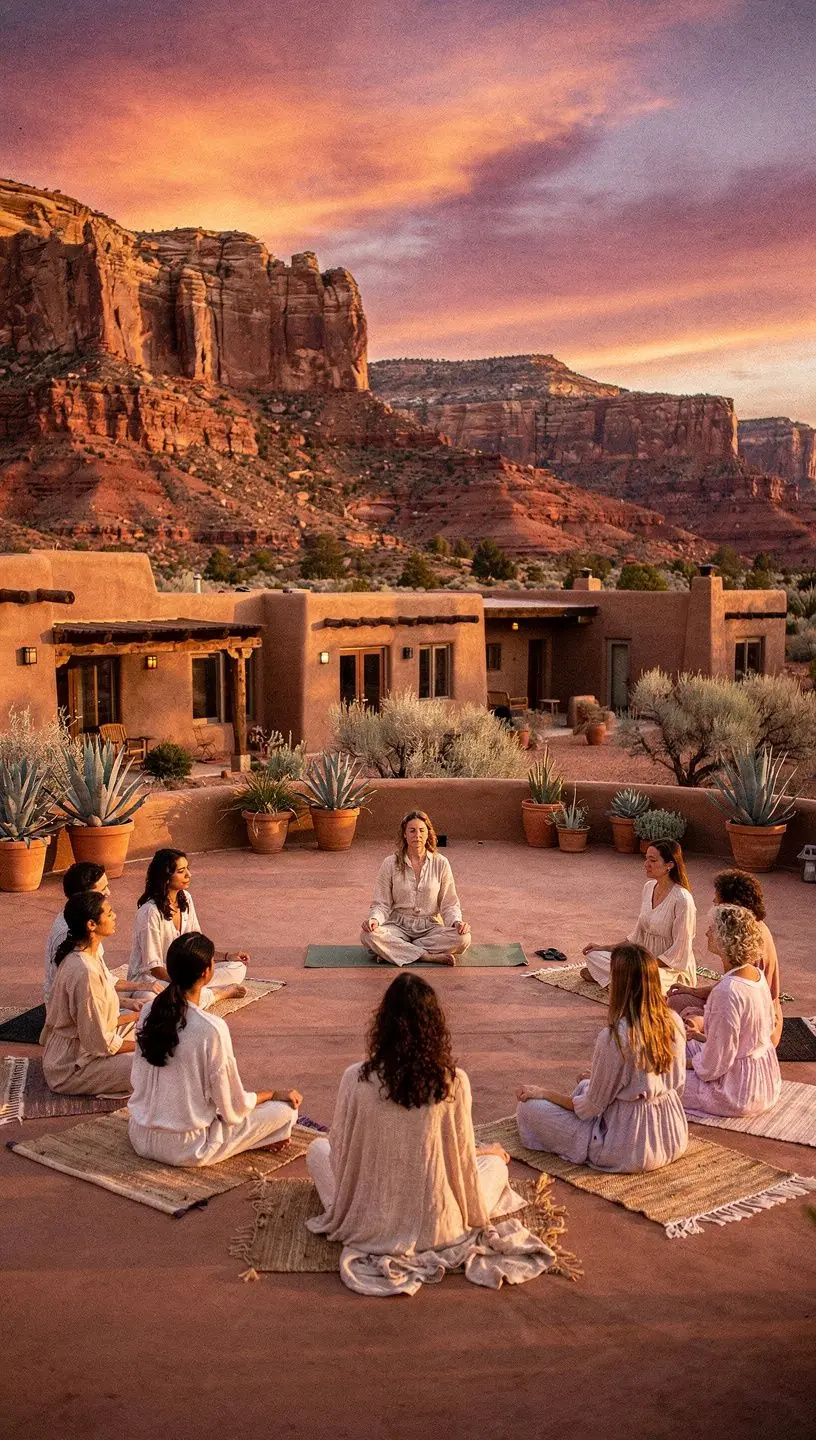
- Plan Engaging Activities: Incorporate activities that foster relaxation, such as meditation, yoga sessions, or guided nature walks. Many users report that these activities can significantly enhance the retreat experience.
- Focus on Logistics: Ensure smooth transportation arrangements. This often involves coordinating group travel and accommodations, which can take 2-4 weeks to finalize appropriately.
Acknowledging the Time Commitment
Planning a retreat typically requires a considerable time investment. Establishing a clear timeline, ideally 2-3 months in advance, can help manage expectations and workloads. Additionally, industry experts suggest gathering input from potential participants early in the planning process to align activities with their interests and needs.
Creating a Relaxing Atmosphere
To enhance relaxation, it’s vital to curate an atmosphere that supports calmness. This includes:
- Choosing accommodations with relaxing amenities, such as spas or quiet lounges.
- Incorporating calm colors and sounds into the retreat environment, which can help create a peaceful ambiance.
- Providing healthy meals that cater to dietary preferences, as nutrition plays a significant role in overall wellness.
Conclusion
Coordinating a group retreat focused on relaxation involves thoughtful planning and a clear understanding of participants’ needs. By following the principles of slow tourism and prioritizing a serene environment, retreat planners can create effective and fulfilling experiences. As you embark on this journey, remember that a well-organized retreat can lead to lasting memories and improved well-being for all participants.
Learn More