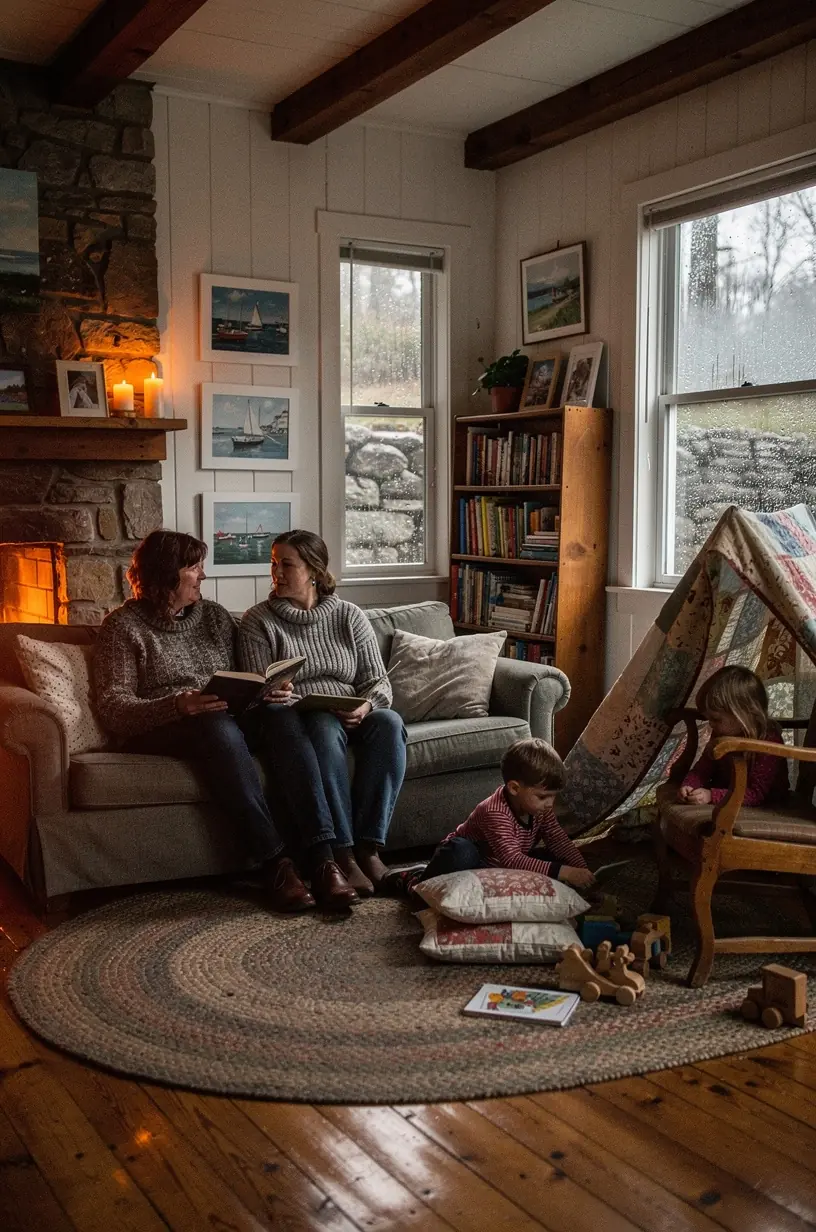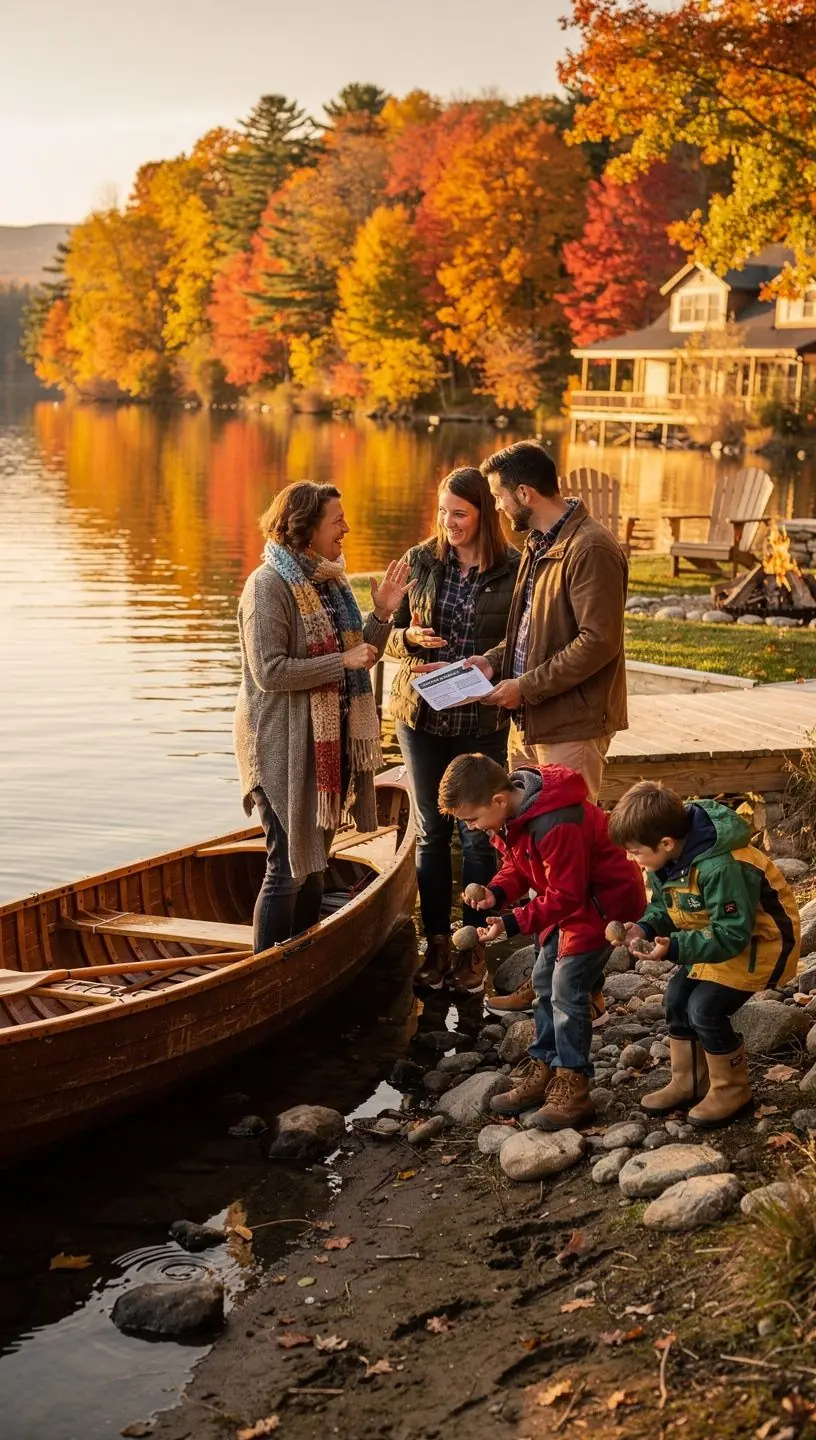
Understanding the Principles of Slow Tourism
Slow tourism focuses on a more relaxed travel experience, prioritizing enjoyment and well-being over speed and efficiency. This article delves into the principles of slow tourism, guiding retreat planners and travelers in creating stress-free journeys.
What is Slow Tourism?
Slow tourism is an approach that encourages travelers to immerse themselves in their surroundings, often focusing on local culture, nature, and community engagement. According to research, this method can lead to deeper connections with destinations and enhance overall satisfaction during travel experiences.
Key Principles of Slow Tourism
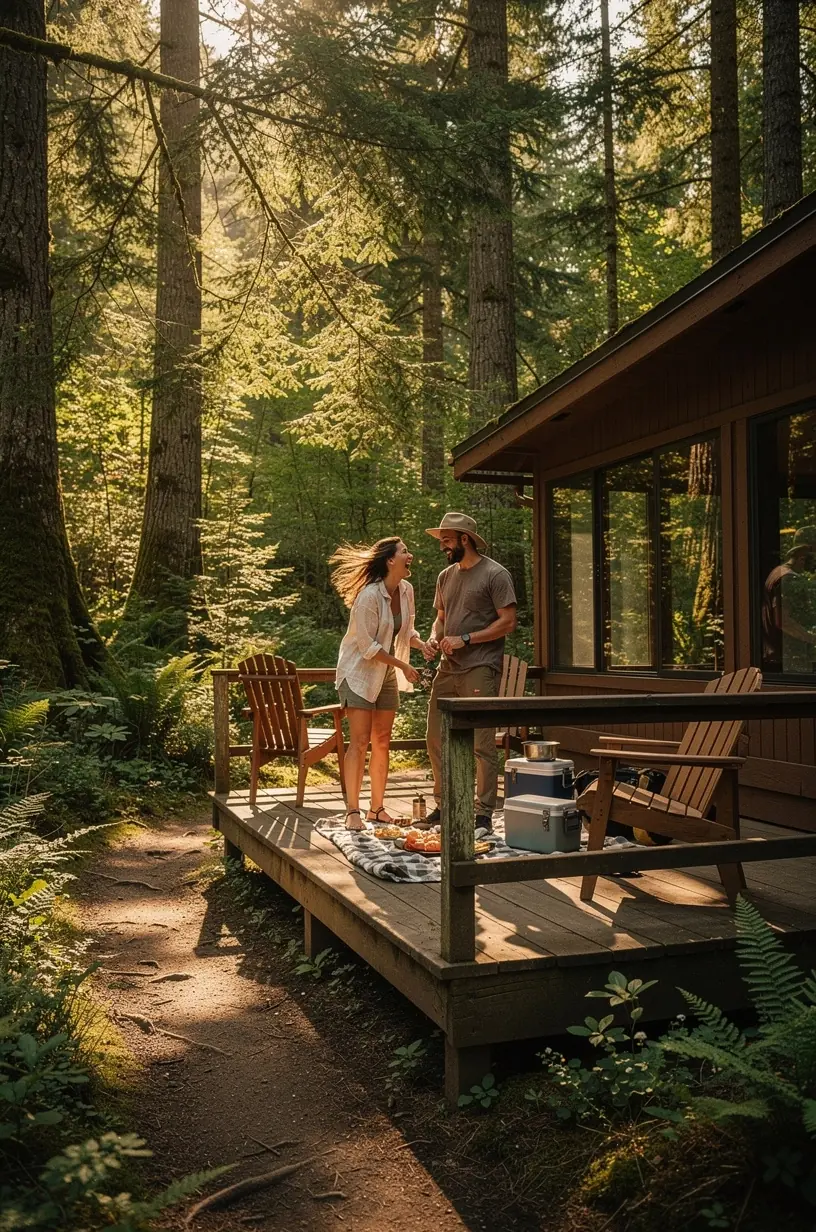
- Mindful Travel: Slow tourism emphasizes being present in the moment. Experts recommend taking the time to explore destinations at a leisurely pace, which can reduce travel-related stress.
- Authentic Experiences: Engaging with local communities and cultures often leads to memorable interactions. Studies show that tourists who seek authentic experiences report higher levels of satisfaction.
- Sustainable Practices: Many slow tourism advocates promote eco-friendly practices, supporting local economies and minimizing environmental impacts. This approach aligns with growing research on sustainable tourism.
"Travel is not just about reaching a destination; it's about the experiences we gather along the way." - Industry Expert
Benefits of Slow Tourism
The principles of slow tourism can enhance travel experiences in various ways:
- Reduced Stress: Engaging in slow tourism can alleviate the pressures often associated with fast-paced travel. Many users report feeling more relaxed and rejuvenated when taking their time to explore.
- Enhanced Connection: Spending more time in one place allows for deeper relationships with locals and a better understanding of their culture. This is often seen as a key benefit by those who embrace the slow travel philosophy.
- Greater Enjoyment: By prioritizing quality over quantity, travelers can enjoy their experiences more. Studies indicate that savoring moments can lead to higher levels of happiness.
Implementing Slow Tourism in Your Travel Plans
Incorporating slow tourism into your travel plans typically involves a shift in mindset. Here are some practical steps to consider:
- Choose Destinations Wisely: Look for locations that promote sustainability and community engagement. Research suggests that destinations focusing on slow tourism often provide richer experiences.
- Plan for Extended Stays: Instead of rushing through multiple locations, aim for longer stays in fewer places. This allows for a more in-depth experience, which is often more fulfilling.
- Embrace Flexibility: Allow for spontaneous exploration and interactions. A rigid itinerary can negate the benefits of slow tourism, as it often leads to unnecessary stress.
Conclusion
Understanding the principles of slow tourism can enrich your travel experiences significantly. While it requires a commitment to mindfulness and flexibility, the benefits are numerous and often lead to a more rewarding journey. By prioritizing authentic interactions and sustainable practices, travelers can enjoy deeper connections with the places they visit. Remember, slow tourism is not just a trend; it’s a movement towards more meaningful travel.
Learn More