How to Plan a Calm Retreat Itinerary
Planning a calm retreat itinerary involves thoughtful consideration of various elements that contribute to a stress-free experience. In this article, we will explore how to create an itinerary that promotes tranquility and maximizes relaxation.
Understanding the Basics of Slow Tourism
Slow tourism emphasizes a mindful approach to traveling, focusing on the quality of experiences rather than the quantity. According to research, this method can reduce travel stress and enhance overall satisfaction. Experts recommend engaging with local cultures, taking the time to appreciate the environment, and allowing for flexibility in travel plans.
"Taking the time to slow down can significantly improve the travel experience and personal well-being." - Tourism Research Journal
Steps to Create Your Calm Retreat Itinerary
When planning a calm retreat, consider the following steps:
- Define Your Goals: Begin by identifying what you hope to achieve during the retreat. Many users report that having clear intentions, such as relaxation, connection with nature, or personal growth, helps shape the itinerary.
- Choose the Right Location: Selecting a serene environment is crucial. Research indicates that being in nature can lower stress levels. Look for locations that are not only beautiful but also offer activities aligned with your goals.
- Plan for Downtime: A successful retreat itinerary typically includes ample time for relaxation. Experts suggest scheduling blocks of unstructured time, allowing participants to engage in activities such as meditation, reading, or simply enjoying the surroundings.
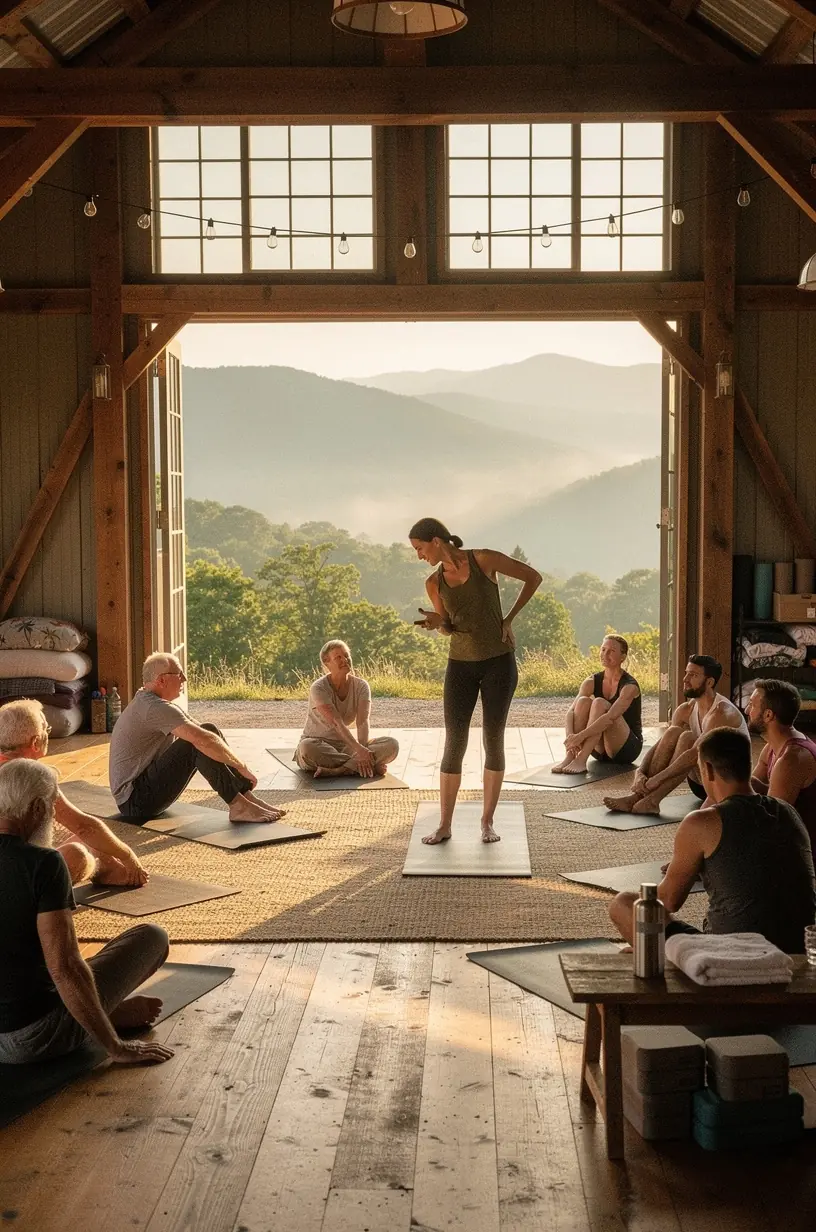
- Incorporate Mindful Activities: Consider including activities that promote mindfulness, such as yoga, guided nature walks, or workshops on stress management. These practices can enhance the overall retreat experience.
- Stay Flexible: While having a structured itinerary is beneficial, maintaining flexibility is equally important. In most cases, allowing for changes can lead to unexpected and enriching experiences.
Key Considerations for a Stress-Free Experience
To ensure a calm retreat, take into account the following:
- Transportation Logistics: Plan your travel route carefully to avoid stress. Research suggests that minimizing travel time can significantly contribute to a more relaxed experience.
- Group Coordination: If you're organizing a group retreat, effective communication is key. Establish clear expectations and allow participants to voice their preferences.
- Mindfulness Practices: Incorporate mindfulness techniques into daily activities. Research indicates that practices such as meditation can enhance well-being and reduce anxiety.
- Realistic Timeframes: It’s important to allocate time for each activity. A well-planned itinerary typically takes 2-4 weeks of preparation to ensure every detail is covered.
Conclusion
Planning a calm retreat itinerary requires careful thought and a focus on creating a tranquil environment. By following these steps and incorporating flexibility, you can design an experience that promotes relaxation and rejuvenation. Remember that the goal is to reduce travel stress and enhance well-being, making your retreat a truly enriching experience.
Learn More