Navigating Local Cultures in Slow Tourism
Discovering local cultures is an essential aspect of slow tourism, which emphasizes a more mindful and enriching travel experience. This article offers practical insights into navigating local cultures while minimizing travel stress.
Understanding Slow Tourism
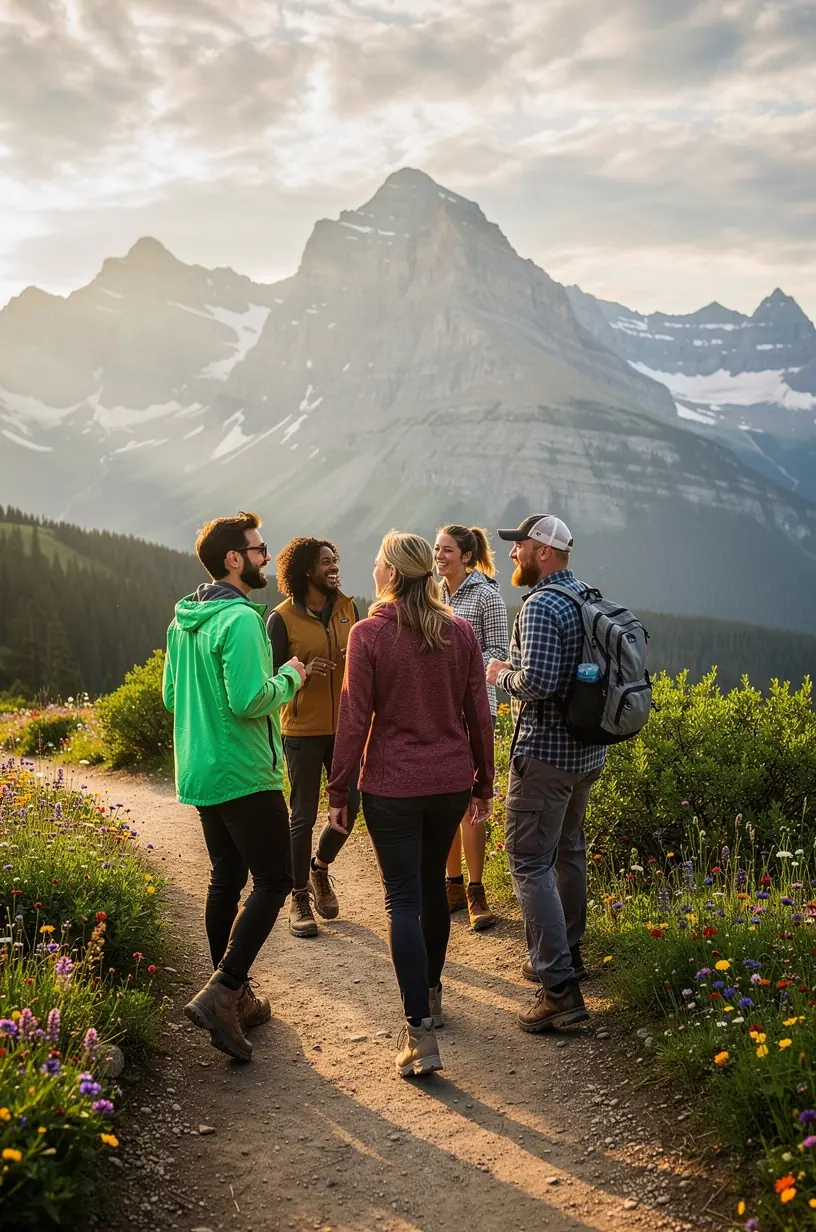
Slow tourism is an approach that encourages travelers to engage deeply with the places they visit, often emphasizing sustainability and connection with local communities. According to a study by the United Nations World Tourism Organization, slow tourism can lead to a more meaningful travel experience, as it fosters genuine interactions and cultural exchange. This approach often involves less travel time and a focus on local destinations, which can reduce stress associated with rushed itineraries.
Engaging with Local Cultures
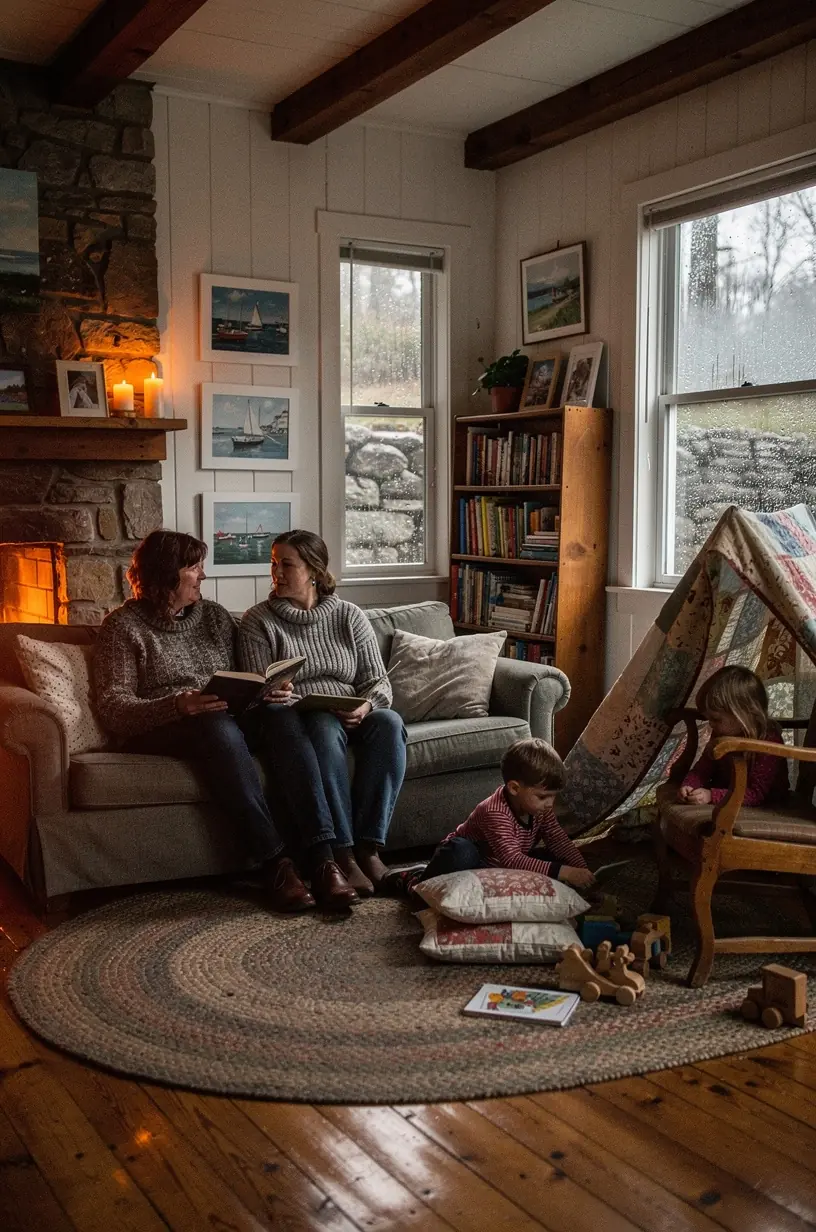
When planning a slow tourism retreat, engaging with local cultures can enhance your experience significantly. Here are some practical steps to consider:
- Research Local Customs: Understanding the cultural norms and traditions of the area can help avoid misunderstandings. For instance, experts recommend learning about greetings, dining etiquette, and any local festivals that might enhance your stay.
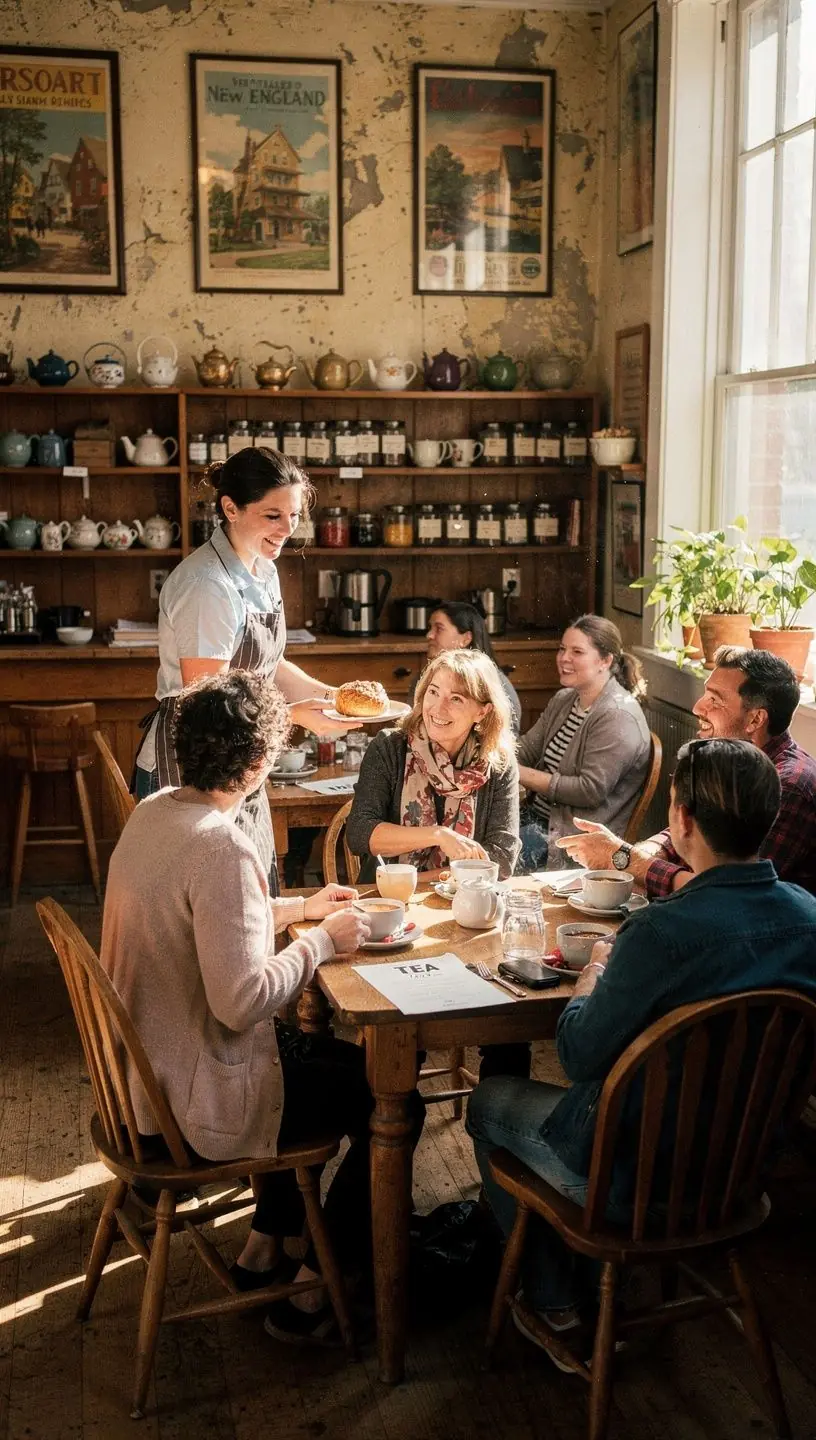
- Participate in Community Events: Many towns offer local events that provide insight into their culture. Participating in these events can help you connect with residents and gain a deeper appreciation for their way of life.
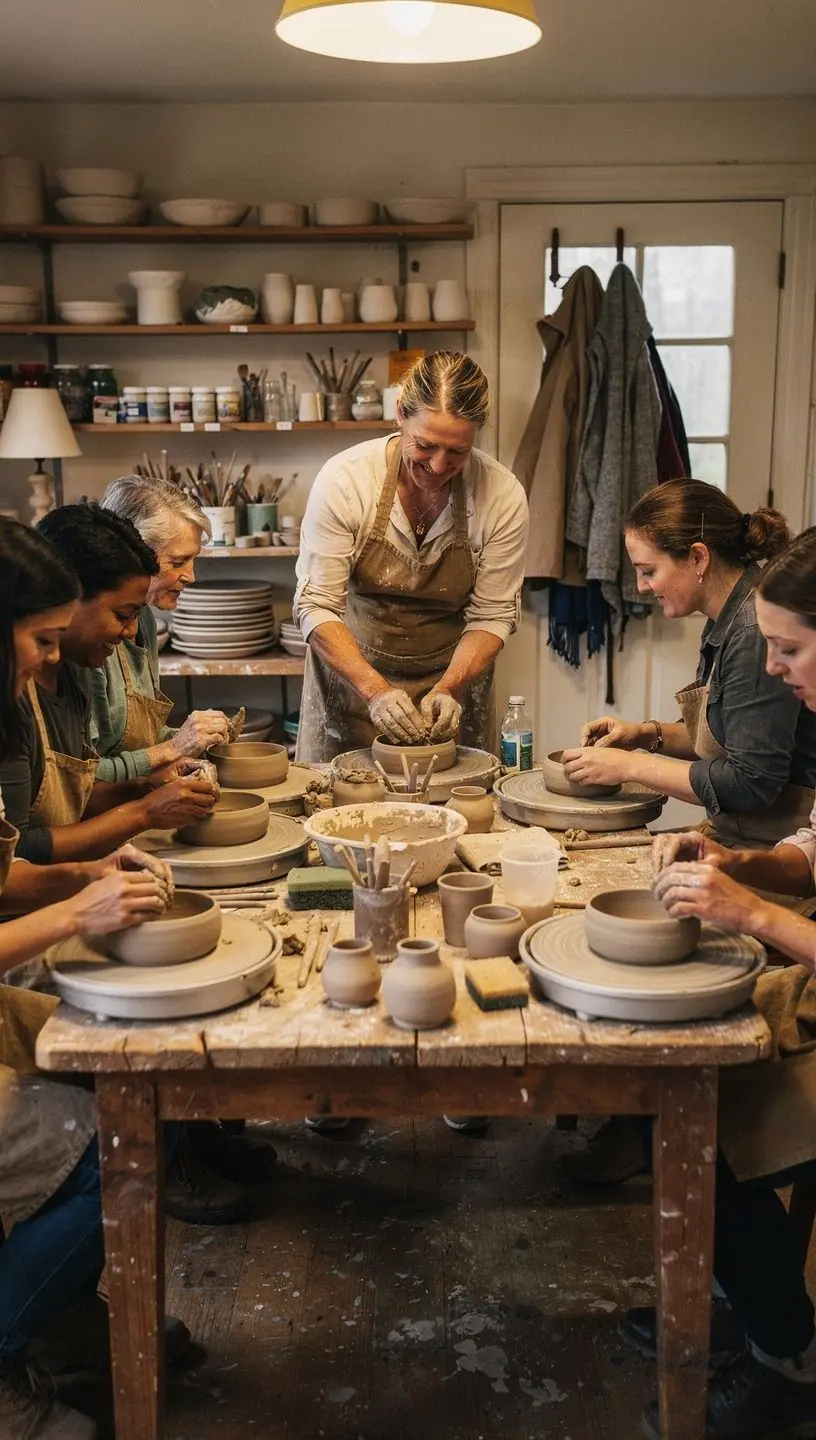
- Support Local Businesses: Engaging with local artisans and restaurants not only supports the economy but also allows for more authentic experiences. Studies show that travelers who support local businesses often report higher satisfaction levels.
"Engaging with local cultures enriches the travel experience and fosters connections that are often missing in traditional tourism."
Mindful Travel Practices
While slow tourism emphasizes relaxation and minimal stress, adopting mindful travel practices can further enhance your experience:
- Slow Down: Allow for flexible travel schedules. This may involve spending extra time in one location rather than trying to see multiple destinations in a short period.
- Be Open-Minded: Approach new cultures with curiosity and respect. This mindset can facilitate richer interactions and help you adapt to different social cues.
- Reflect on Experiences: Take time to reflect on your daily experiences. Journaling or discussing your thoughts with fellow travelers can deepen your insights and understanding of the local culture.
Acknowledging Limitations
While engaging with local cultures can be rewarding, it often requires time and effort. Many users report that truly immersing oneself in a local culture typically takes several days and involves a willingness to learn and adapt. Be prepared for potential language barriers and cultural differences; these can enhance your experience but may also require patience and a proactive approach.
Conclusion
Navigating local cultures in slow tourism is about more than just visiting new places; it's about forming connections and gaining insights into diverse lifestyles. By practicing patience, engaging meaningfully with your surroundings, and supporting local communities, you can create a memorable and enriching travel experience. Remember that every journey is unique, and the effort you put in can lead to a deeper understanding of the world around you.